Monday, December 25, 2023

Terminology: WOTTIES (1) - ‘RIZZ’ OED Word of the Year 2023.

Copyright © Françoise Herrmann

The Oxford English Dictionary (OED) selected ‘rizz’ as the Word of the Year (WOTY). Rizz? Yes, ‘RIZZ’! A Generation Z word, short for 'charisma'. A term used widely online, and in social media, both as a verb (e.g., 'to rizz-up', meaning to woo or seduce someone), and as a noun (e.g., "rizz is all that it takes”). 

The OED notes that the abbreviation ‘rizz’ is unusual in that it is extracted from the middle of the word 'charisma', like 'fridge' for 'refrigerator' or 'flu' for 'influenza'. ‘Rizz’ also acquired its own spelling in abbreviation, independently from the term 'charisma', marking the written form of the term as a neologism. 

In June 2023, the Oxford English Corpus (OEC), containing 2.1 billion words, recorded a dramatic spike in the use of the term 'rizz’, following a 30-question Buzzfeed Interview with the British actor Tom Holland (aka Spiderman). Holland responded: “I have no rizz whatsoever” to the question: “What's the secret to your rizz?.” (Aniftos, 2023) 

Selection of the OED WOTY is a carefully monitored process in the hands of Oxford terminologists and lexicographers, based on an analysis of the Oxford English Corpus (OEC) trends (Oxford Staff, Nov. 30, 2023). However, since 2022, the general public has been invited to participate in the selection of the OED WOTY. 

Below, the OED definition of the term ‘rizz’, announced as the Word of the Year 2023, on December 4, 2023.


References

Aniftos, R. (June 15, 2023). Tom Holland Admits He Has ‘No Rizz,’ Is ‘Happy & In Love’ With Zendaya.

https://www.billboard.com/music/music-news/tom-holland-zendaya-celebrity-crush-1235355687/ 

Berglund Prytz, Y. and M. Wynne (Feb. 18, 2023). The Oxford English Corpus – lexicography and beyond.

https://digital.humanities.ox.ac.uk/oxford-english-corpus-lexicography-and-beyond 

Buzzfeed 30-question Interview with Tom Holland (June 15, 2023). 

https://youtu.be/2oDXBHIoqas 


Staff - Oxford Word of the Year 2023.

https://languages.oup.com/word-of-the-year/2023/

Staff (Nov. 30, 2023). What does Oxford Word of the Year mean to us?

https://corp.oup.com/feature/what-does-oxford-word-of-the-year-mean-to-us/ 

Sunday, December 24, 2023

Terminology: WOTTIES 2023 (2) - Contenders for the Collins Dictionary Word of the Year.

Copyright © Françoise Herrmann

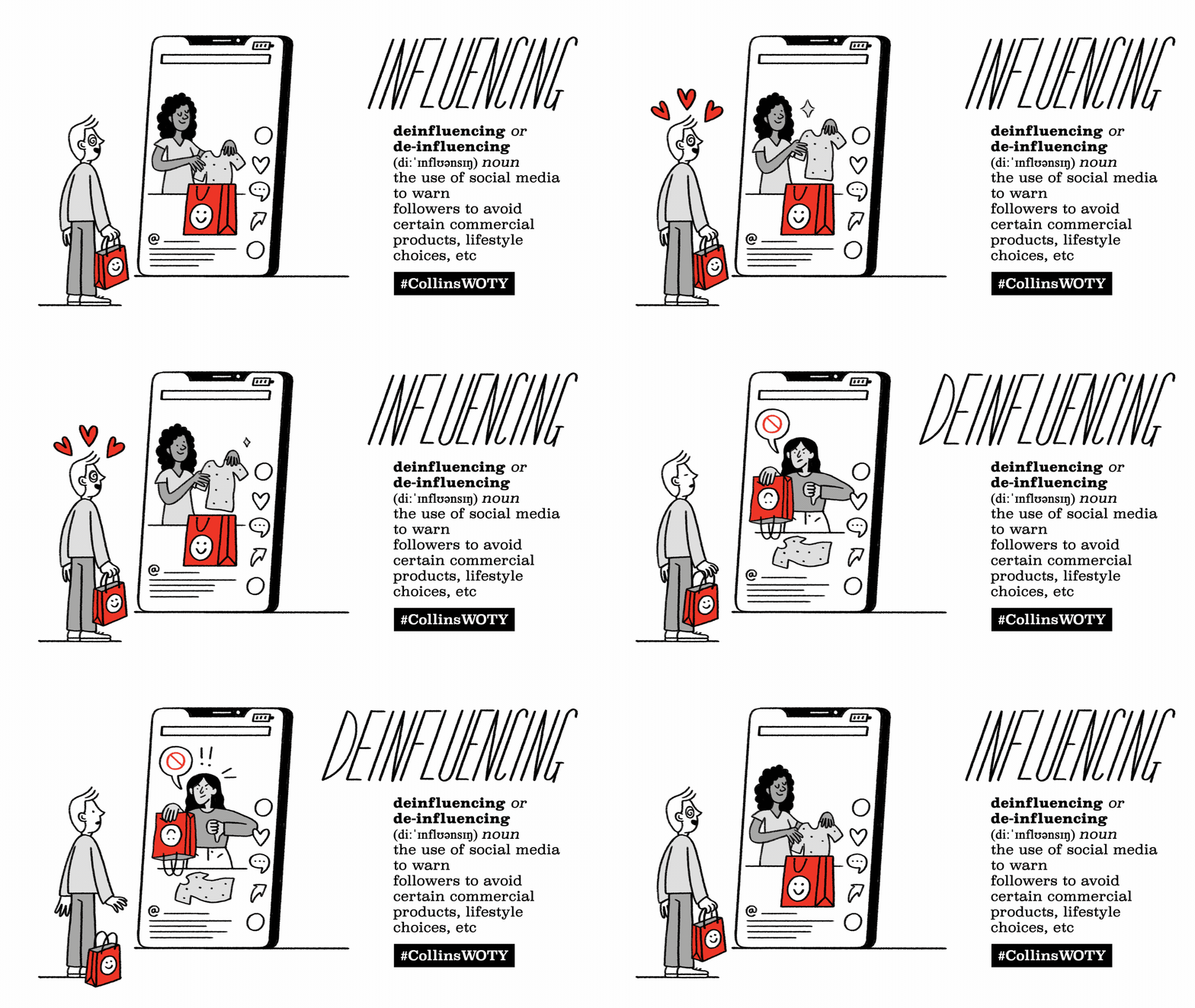
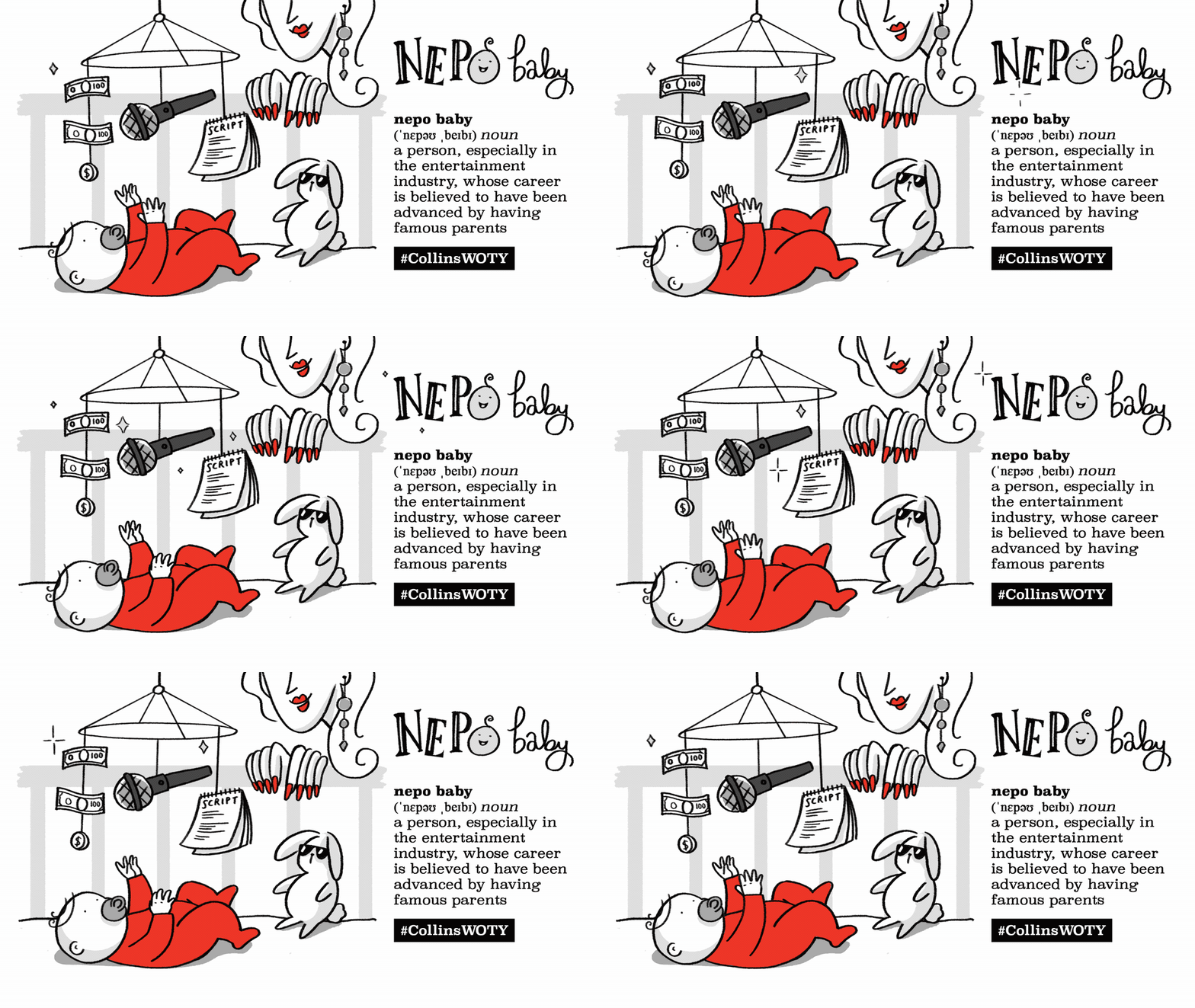
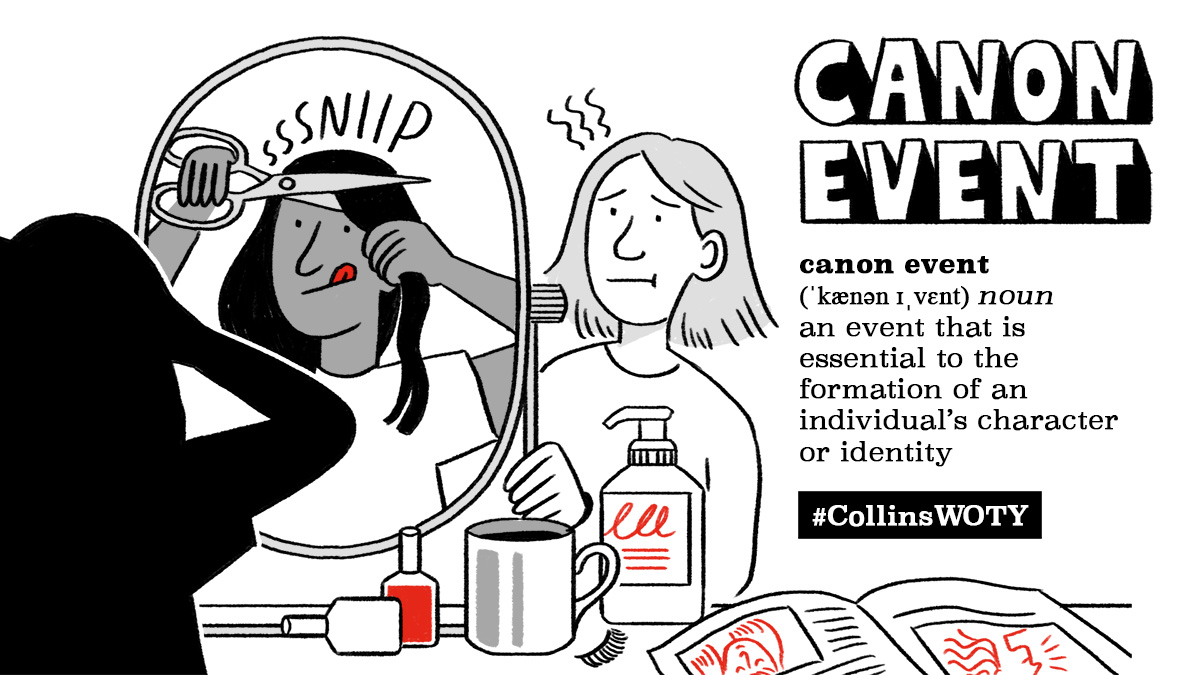
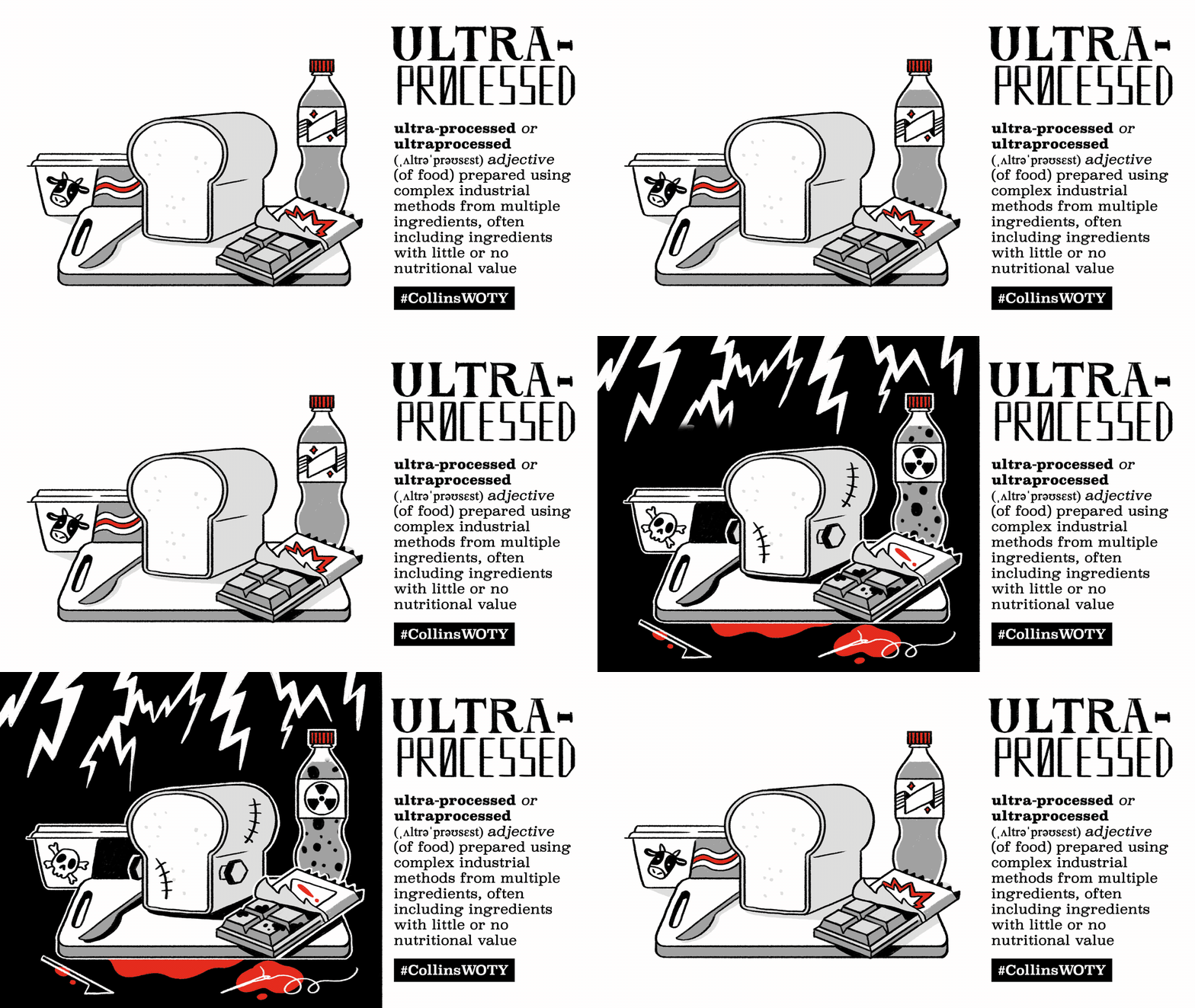
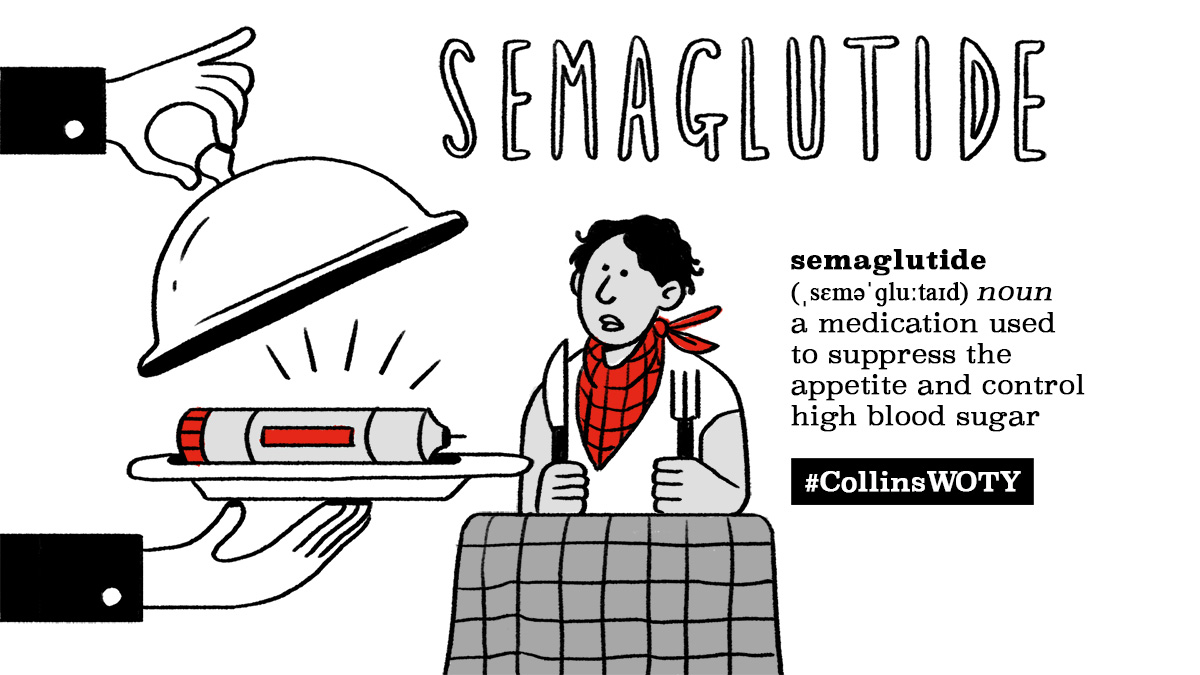
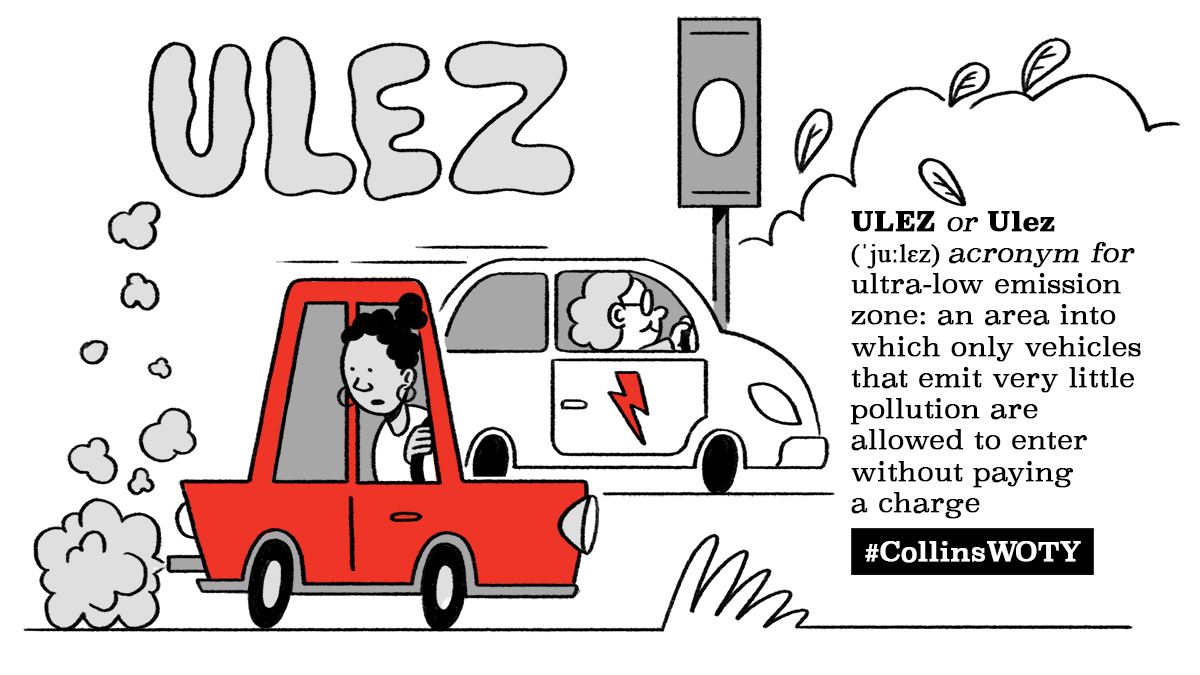
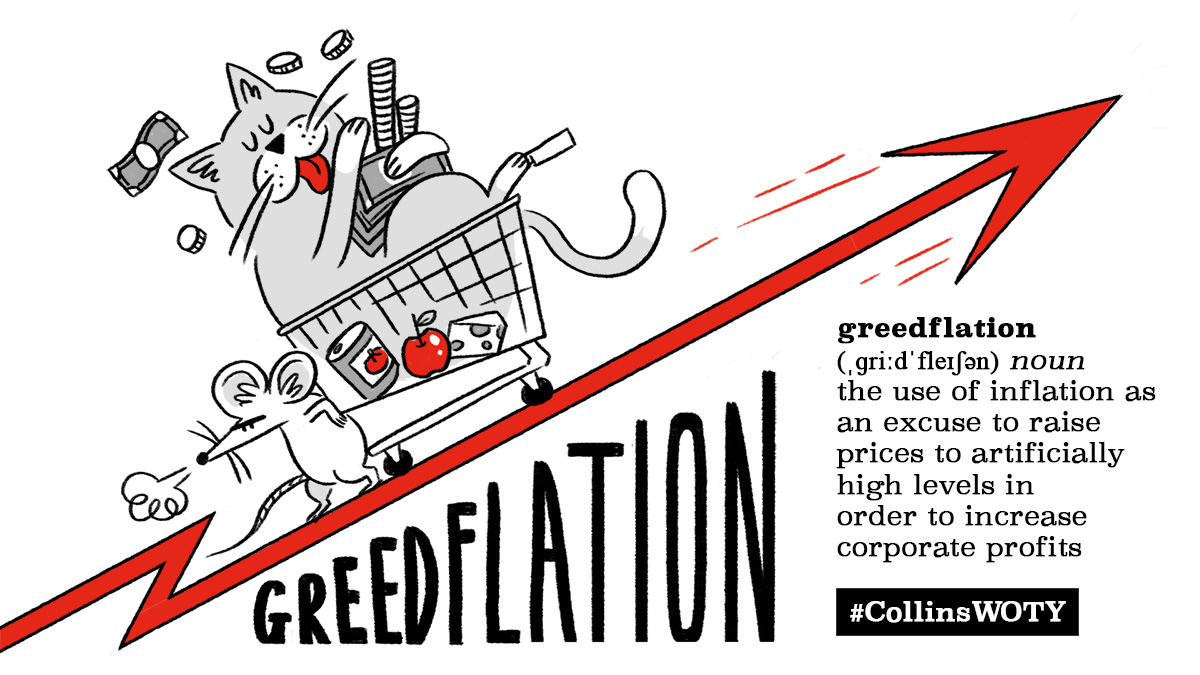
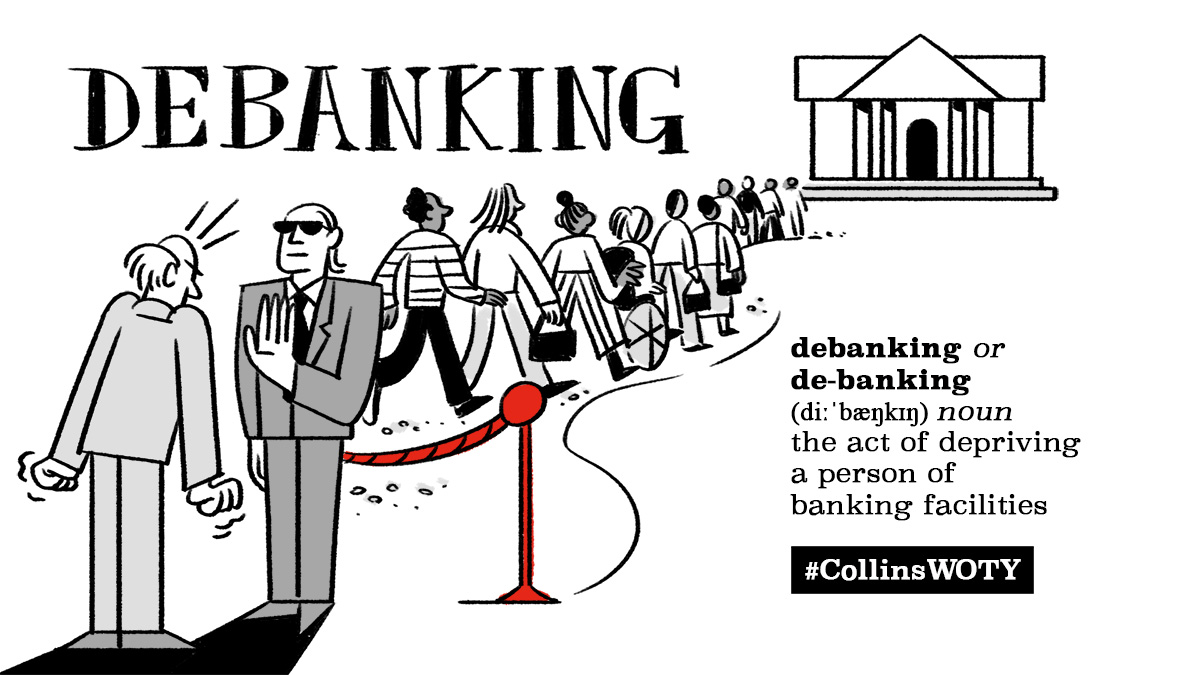
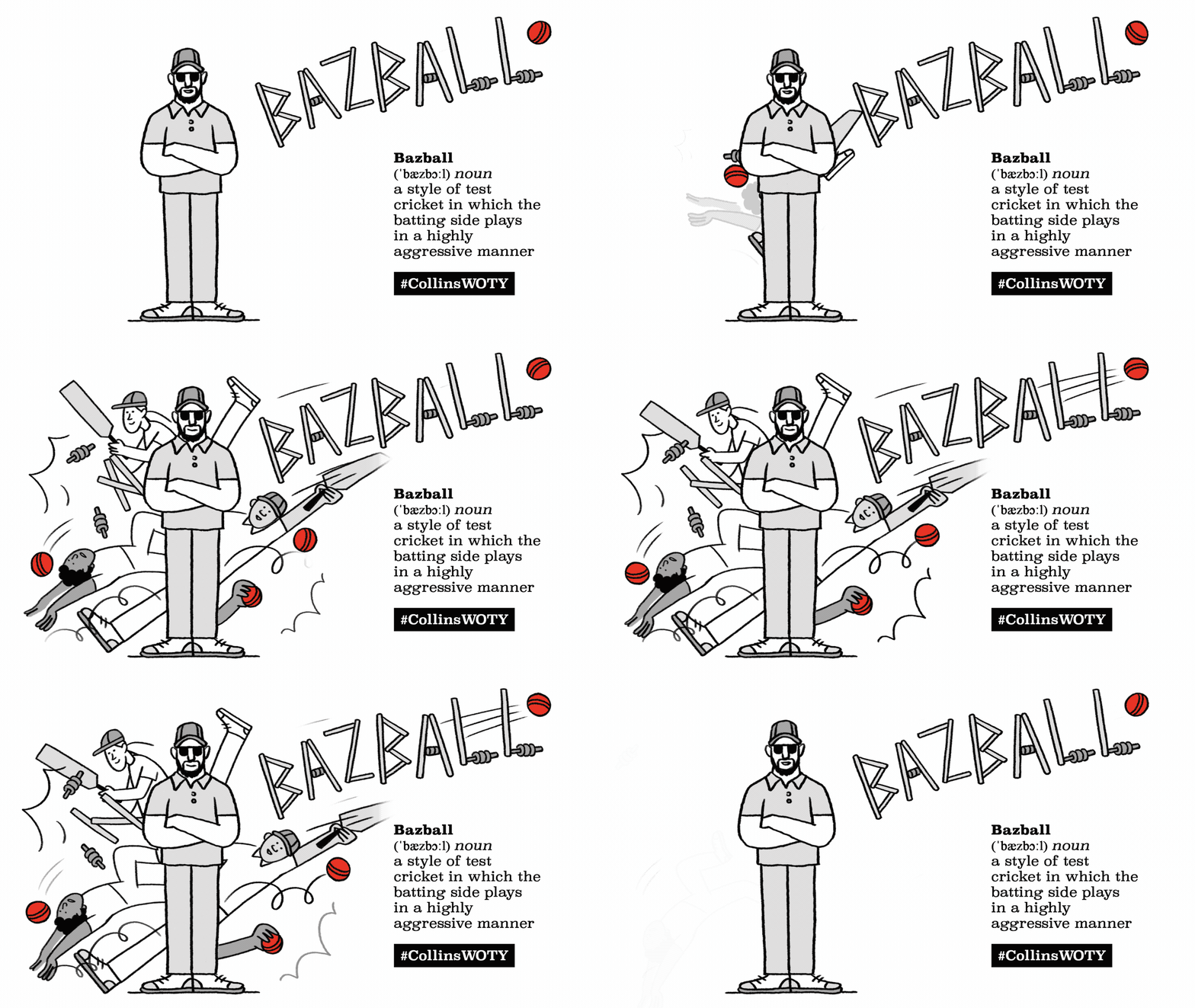
Word of the year (WOTY) contenders are just as interesting as the 'winner of them all'. Below, the list of the nine terms that competed for the 2023 Collins Dictionary WOTY, together with their definitions and illustrations (GIF or JPEG). 


1. de-influencing: (noun) 


2. nepo baby: (noun) 


3. canon event: (noun)


4. ultra-processed: (adjective) 


5. semaglutide: (noun) (also the active ingredient in the trademarked medication called Ozempic®).


6. ULEZ (ULEZs plural): (noun) 


7. greedflation: (noun) the use of inflation as an excuse to raise prices to artificially high levels in order to increase corporate profits.


8. debanking: (verb) to deprive (someone) of banking facilities.


9. bazball: (noun) 


References

Shariatmadari, D. (Nov. 1, 2023). The acceleration of AI and other 2023 trends. Collins Language Lovers Blog.

https://blog.collinsdictionary.com/language-lovers/the-acceleration-of-ai-and-other-2023-trends/ 

(Staff) The Collins Dictionary word of the year is ….

https://www.collinsdictionary.com/us/woty

Saturday, December 23, 2023

Terminology: WOTTIES 2023 (1) - 'AI' Collins Dictionary Word of the Year.

Copyright © Françoise Herrmann

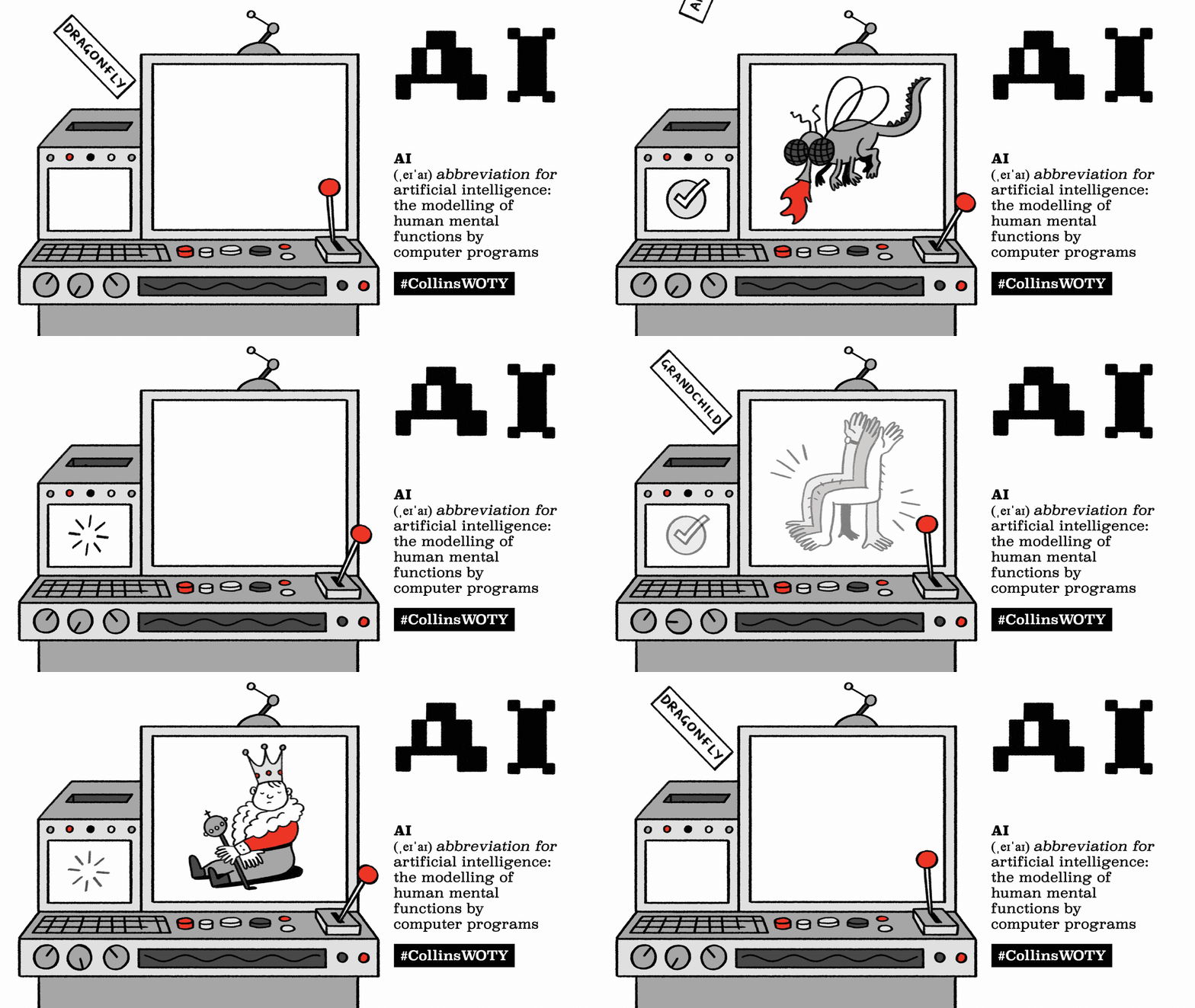
The 2023 Collins Dictionary Word of the Year (WOTY) is AI, as in Artificial Intelligence. Collins defines AI as “abbreviation for artificial intelligence: the modeling of human mental functions by computer programs”. 

The choice of the term AI might appear surprising, considering that AI has been around for almost 70 years as an academic discipline. What has changed in 2023, is that AI-driven Chatbots, such as ChatGPT and Claude would probably break the Turing Test for natural language processing and the production of human-like texts, and by the same token deal a serious blow to the domain of epistemology. Indeed, in a topsy-turvy outcome, computer scientists are now designing new tests to defeat machines vs. trying to program them so that they behave like humansor at least fool humans into believing they are also human.

The Turing Test was designed by Alan Turing in 1950. The test consisted in challenging computer scientists to design a machine that would exhibit intelligent behavior equivalent to, or indistinguishable from, that of a human. When carried out, the Turing Test would invoke interaction between a human testing two interlocutors, one of which would be a machine. If the human, who was testing the two interlocutors, could not tell the difference between the machine interlocutor and the human interlocutor, then the machine would have passed the test, as it would be exhibiting behavior indistinguishable from that of a human. 

 In 2023, considering how Natural Language Processing  (NLP), Large Language Models (LLMs) and deep Machine Learning (ML) can combine to respond to human queries for specific information, using Chatbots for example,  computer scientists are now looking for ways to devise new challenging, and even simple tests that underscore what the machine still cannot do like humans. Thus, for example, computer scientists are designing simple visual logic puzzles, which stump AI-driven programs, when compared to human performance on the same tests (Biever, 2023). 

However, at the end of the day, user beware! Before falling-head-over-heels for AI-driven ChatGPT, assumed to already exhibit conversational performance largely equivalent to or indistinguishable from that of humans, remember that passing the Turing Test means being fooled by a machine. The above Collins animated GIF offers a few cases in point. 


References

Biever, C. (July 25, 2023). ChatGPT broke the Turing test — the race is on for new ways to assess AI. Nature. 

https://www.nature.com/articles/d41586-023-02361-7 

Chi, C. (Nov. 29, 2023). AI chatbots: Our top 18 picks for 2023.

https://blog.hubspot.com/marketing/best-ai-chatbot 

Guy, J. (Nov. 1, 2023). Collins Dictionary picks ‘AI’ as its word of the year.

https://www.cnn.com/2023/11/01/world/11-01-2023-collins-dictionary-ai-word-of-the-year-scli-intl-scn/index.html 

Shariatmadari, D. (Nov. 1, 2023). The acceleration of AI and other 2023 trends. Collins Language Lovers Blog.

https://blog.collinsdictionary.com/language-lovers/the-acceleration-of-ai-and-other-2023-trends/ 

(Staff) The Collins Dictionary word of the year is ….

https://www.collinsdictionary.com/us/woty

Wednesday, November 15, 2023

Oh, patents! Clips (4)

Copyright © Françoise Herrmann

This clip accommodates larger light bulbs, holding them upright, while attaching to a shingle roof, or other horizontal railing. The design was awarded the US design patent USD824246S, titled Clip. The patent was awarded on July 31, 2018, to Chan Chi Ming, the inventor.

Below,

  1. The patent Figure 1 drawing of the clip, shows a top, left side, perspective. 
  2. An image of the clip mounted on a shingle roof, and holding a larger C7 light bulb.
  3. An image of the marketed clip made of translucent plastic. 

As a reminder, a US design patent covers the ornamental aspects of an invention, or how the invention looks. In contrast, a US utility patent covers how an invention works, or how an invention is manufactured.


Reference

USPTO MPEP – Chapt. 1502-01 – Distinction between design and utility patent.
https://www.uspto.gov/web/offices/pac/mpep/s1502.html

Monday, November 13, 2023

Oh, patents! Clips (3)

 Copyright © Françoise Herrmann

This clip is designed to attach lights above a gutter equipped with a shingle roof. The clip’s design was awarded the US design patent, USD477773S1, titled Gutter and shingle clip. The patent was awarded on July 29, 2003, to Lonnie F. Gary and Chad H Jones. 

Below, 

  1. The Figure 1 drawing of the clip, extracted from the patent, showing a front perspective view.
  2.  An image of the clips installed on a shingle roof above a gutter, with lights threaded through.
  3. An image of the marketed clip, made of translucent plastic.

 As a reminder, a US design patent protects the ornamental aspects of an invention, or how the invention looks. In contrast, a US utility patent protects how an invention works, and/or how the invention is manufactured.


Reference

USPTO MPEP – Chapt. 1502-01 – Distinction between design and utility patent.
https://www.uspto.gov/web/offices/pac/mpep/s1502.html

Monday, November 6, 2023

Oh, patents! Clips (2)

 Copyright © Françoise Herrmann

The design of the clip shown below is also patented. Designed to attach lights to a deck, this clip was awarded the US design patent, USD608189S1, titled Deck clip. The patent was awarded on January 19, 2010, to Trevor Jackson and Patrick Brown, the inventors.  

Below: 

1. The patent Figure 1 depicting a perspective view of the deck clip design.  

2. An image of the commercial deck-light clips, attached to a deck, with lights threaded through the clip.

3. An image of the marketed deck clip, made of translucent plastic. 

As a reminder, a US design patent only protects the way an invention design looks. In contrast, a US utility patent protects the way an invention works, and/or the way an invention is manufactured. 


Reference
USPTO MPEP – Chapt. 1502-01 – Distinction between design and utility patent.
https://www.uspto.gov/web/offices/pac/mpep/s1502.html

Saturday, November 4, 2023

Oh, patents! Clips (1)

 Copyright © Françoise Herrmann

To install lights outdoors or indoors, a variety of patented clips are available. The following clip was awarded the US design patent USD601412S, titled Banister clip. The patent was granted on October 6, 2009, to Patrick Brown and Robert Dorsey, the inventors.

The three images below respectively depict a perspective view of the clip, as filed in the patent Figure 1, an image of the marketed clip attached to a banister with lights threaded through the loops, and an image of a single marketed banister clip, made of translucent plastic. Banister clips are sold in hardware stores, in boxes or bags containing dozens.

As a reminder, a US design patent covers only the ornamental aspects of an invention, or how the invention looks. In contrast, a US utility patent covers how an invention works, or is manufactured.


Reference
USPTO MPEP – Chapt. 1502-01 – Distinction between design and utility patent.
https://www.uspto.gov/web/offices/pac/mpep/s1502.html